




















TIPS
Helpful Home Tips from Your Local Plumbing Pros in Fresno – Zip Appliance & Plumbing Repair
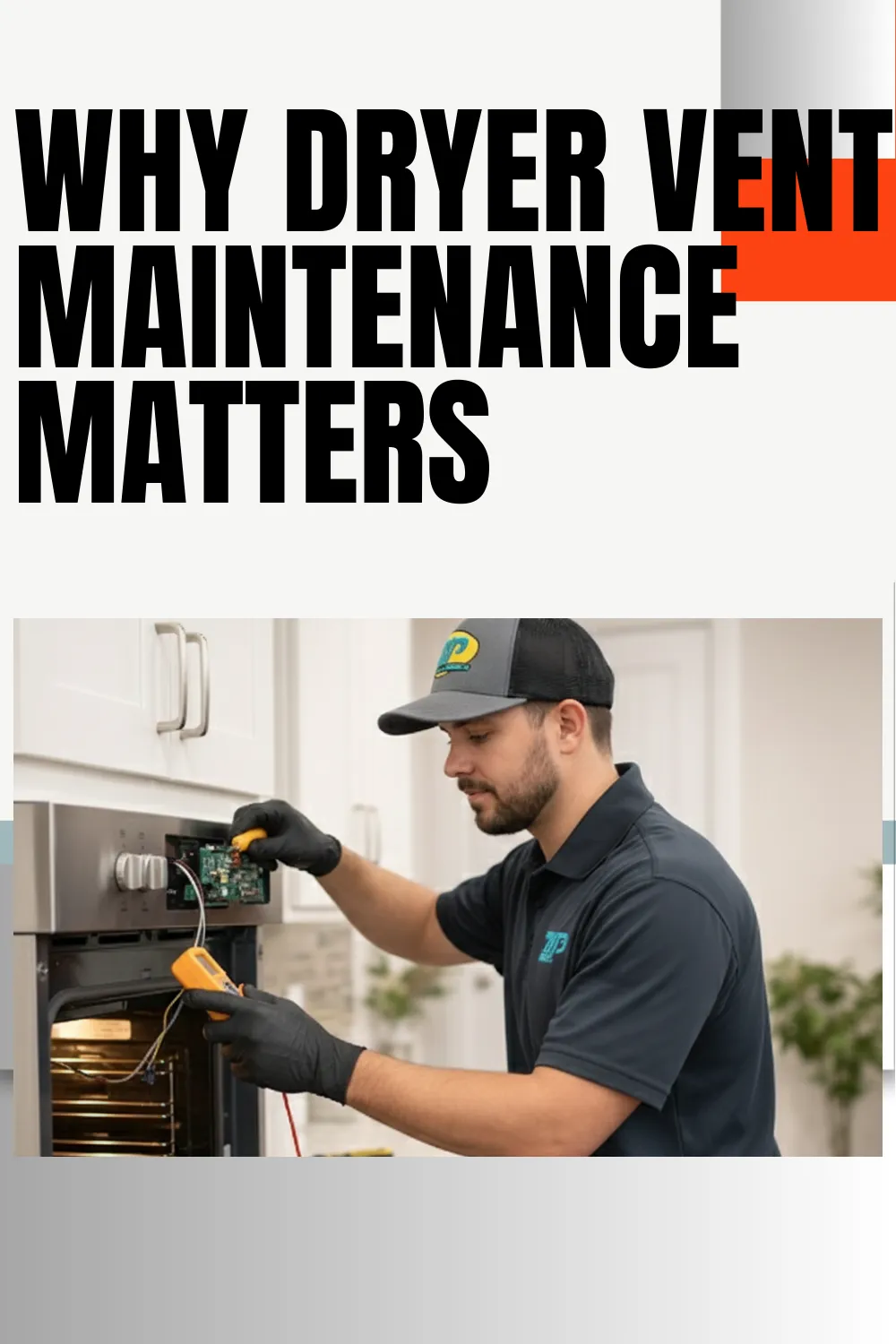
How Dryer Vent Issues That Cause Appliance Failures in Fresno Affect Homes
Neglected dryer vents don’t just slow down laundry—they silently strain appliances, increase energy costs, and put your Fresno home at risk. - Appliance Boss
Introduction to Dryer Vent Issues in Fresno Homes
Dryer vent problems are one of the most overlooked causes of appliance failures in Fresno homes. What seems like a minor inconvenience—a slightly longer drying cycle or excess lint—can quickly escalate into mechanical strain, reduced efficiency, or even dangerous conditions. Understanding how dryer vent issues develop and affect household appliances is essential for homeowners who want to keep their laundry running smoothly and their homes safe.
Why Dryer Vent Maintenance Matters for Home Appliances
Regular maintenance of dryer vents ensures that appliances function at peak efficiency. Without proper airflow, dryers overheat, motors work harder, and components wear faster. Proper maintenance also reduces energy consumption, prevents secondary damage, and prolongs the lifespan of your appliance.

How Improper Venting Leads to Appliance Failures
Incorrect vent installation, blockages, or neglect can force dryers to operate under stress. Heat and humidity trapped inside the unit cause internal components to degrade. Over time, motors, heating elements, and sensors fail, leading to costly repairs or replacements.
Signs Your Dryer Vent Is Causing Appliance Problems
Slow drying times, unusual heat inside the laundry area, frequent cycling, or burning odors are red flags. Homeowners may also notice excessive lint around the dryer or in the lint trap despite regular cleaning. Recognizing these signs early prevents minor issues from escalating.
Early Warning Signs Fresno Homeowners Often Miss
Subtle indicators such as a humming sound, unusual vibration, or a faint burning smell are often ignored. Homeowners might dismiss these as normal wear, but these early symptoms often signal airflow restriction and impending appliance failure.
Difference Between Vent Clogs and Mechanical Dryer Issues
Vent clogs primarily affect airflow, causing overheating and energy inefficiency. Mechanical problems, on the other hand, involve motor failure, belt wear, or electronic malfunctions. Understanding the difference helps in troubleshooting and determining the right course of action.
Common Dryer Vent Issues That Cause Appliance Failures
Lint accumulation, crushed ducts, long vent runs, improper installation, and blocked exhausts are the most frequent culprits. Each issue disrupts airflow, increasing heat retention and forcing dryers to overwork, which accelerates component wear.
Lint Buildup and Its Impact on Dryer Efficiency
Lint may seem harmless, but it’s highly flammable and restricts airflow. Accumulated lint can make drying cycles longer, strain the motor, and elevate the risk of fire. Even a small blockage at the vent’s exit can reduce efficiency by up to 30 percent.
Blocked Exhaust Vents and Overheating Risks
When the vent exhaust is obstructed, heat and humidity are trapped inside the appliance. This can lead to overheating, warped drum components, and eventual motor burnout. Persistent overheating may also trigger safety sensors or cause the dryer to stop functioning altogether.
Improper Vent Installation and Its Consequences
Incorrect installation, such as using flexible foil ducts or excessive bends, reduces airflow and increases lint accumulation. Improper vent placement can also lead to moisture buildup, creating an environment for mold growth and secondary home damage.
Crushed or Damaged Vent Ducts
Physical damage to the vent duct—whether from furniture, pets, or accidental impact—can severely restrict airflow. Even minor kinks can force the dryer to operate inefficiently, increasing wear on internal components and risking overheating.
Long Vent Runs That Reduce Dryer Performance
Vents that are too long or excessively convoluted increase resistance to airflow. Dryers must work harder to push hot air through, leading to longer cycles, higher energy bills, and premature wear of the motor and heating element.
Moisture and Mold Problems from Poor Venting
Trapped humidity can condense inside ducts and create a breeding ground for mold and mildew. Mold spores can spread into laundry areas, damaging clothing, producing unpleasant odors, and posing health risks.
Fire Hazards Caused by Neglected Dryer Vents
Lint is highly combustible, and heat buildup from blocked vents is a common cause of residential fires. According to fire safety statistics, improper dryer vent maintenance is a leading factor in home dryer fires nationwide.
Energy Waste and Increased Utility Bills
Restricted airflow forces dryers to run longer and consume more electricity. Over time, inefficient drying not only increases utility costs but also places unnecessary strain on appliances, shortening their lifespan.
How Dryer Vent Issues Affect Other Appliances in the Home
Overheated dryers can indirectly affect surrounding appliances. Excess humidity may trigger corrosion in nearby electrical systems, and poor airflow can alter indoor air quality, potentially stressing HVAC systems or other sensitive electronics.
DIY Vent Cleaning vs Professional Services
While homeowners can remove lint from the trap or perform basic vent cleaning, professional services ensure full removal of deep obstructions and proper inspection of ducts. Professionals also identify hidden risks like mold, crushed ducts, or disconnected sections.
Tools and Techniques Fresno Plumbers Use for Dryer Vent Maintenance
Technicians use specialized tools such as rotary brushes, vacuum systems, inspection cameras, and high-pressure air blowers. These instruments remove embedded lint, assess vent integrity, and confirm unobstructed airflow throughout the entire duct system.
Regular Inspection Schedules to Prevent Appliance Failures
Scheduling inspections every six months to a year ensures vents remain clear and appliances function efficiently. Preventive inspections catch minor issues before they escalate into major failures or fire hazards.
Signs You Should Call a Professional Immediately
If you notice smoke, persistent burning odors, overheating, slow drying, or water dripping from vents, it’s time to call a professional. Immediate intervention prevents damage to the dryer and the home itself.
Cost Considerations for Dryer Vent Cleaning and Repairs
Professional cleaning costs vary based on vent length, severity of blockage, and accessibility. While there is an upfront expense, investing in proper maintenance prevents more expensive appliance repairs and reduces fire risk.
Preventive Measures to Extend Dryer Lifespan
Regular lint trap cleaning, proper vent installation, avoiding overloading, and scheduling professional inspections extend the life of your dryer. These measures also improve efficiency and safety.
How Seasonal Changes Can Impact Dryer Vent Performance
Dryer vent efficiency can fluctuate with seasonal changes. Humid summers may promote condensation and mold, while dry winters can exacerbate static and lint buildup. Seasonal maintenance ensures consistent airflow year-round.
Common Mistakes Homeowners Make with Dryer Vents
Ignoring minor lint buildup, using flexible foil ducts, overloading the dryer, and delaying inspections are common errors. These mistakes accelerate appliance wear and increase the risk of fire or mechanical failure.
Tips for Keeping Dryer Vents Clean and Functional Year-Round
Use metal ducting, clean lint traps after every load, schedule professional inspections, and ensure proper vent termination outside the home. Simple habits prevent airflow restrictions and protect appliance longevity.
Conclusion: Protecting Fresno Homes from Dryer Vent-Related Appliance Failures
Proper dryer vent maintenance is essential for safe, efficient, and long-lasting appliances in Fresno homes. Ignoring airflow issues can lead to overheating, mold growth, fire hazards, and costly repairs. Homeowners should combine simple daily practices with professional inspections to ensure their dryers operate optimally.
For trusted dryer vent and appliance services, contact Zip Appliance Repair and Service, visit https://zipappliancerepairfresno.com/Zip-Appliance-and-plumbing-Repair-Fresno, or call (559) 272-4265 to protect your home and keep your appliances running safely.

Trusted by Fresno Families & Businesses Alike
With years of hands-on experience and countless happy customers, Zip Appliance & Plumbing Repair is proud to serve the Fresno community. From small repairs to big fixes, we care for your home like it's our own.
Let’s get things flowing again — Fix It With Zip
Zip Appliance & Plumbing Repair
COMPANY
SUPPORT
BUSINESS HOURS
SUNDAY: 9:00 am - 7:00 pm
MONDAY: 7:00 am - 7:00 pm
TUESDAY: 7:00 am - 7:00 pm
WEDNESDAY: 7:00 am - 7:00 pm
THURSDAY: 7:00 am - 7:00 pm
FRIDAY 7:00 am - 6:00 pm
SATURDAY: 9:00 am - 4:30 pm
Copyright 2026. Zip Appliance & Plumbing Repair – FRESNO. All Rights Reserved. | Privacy Policy